
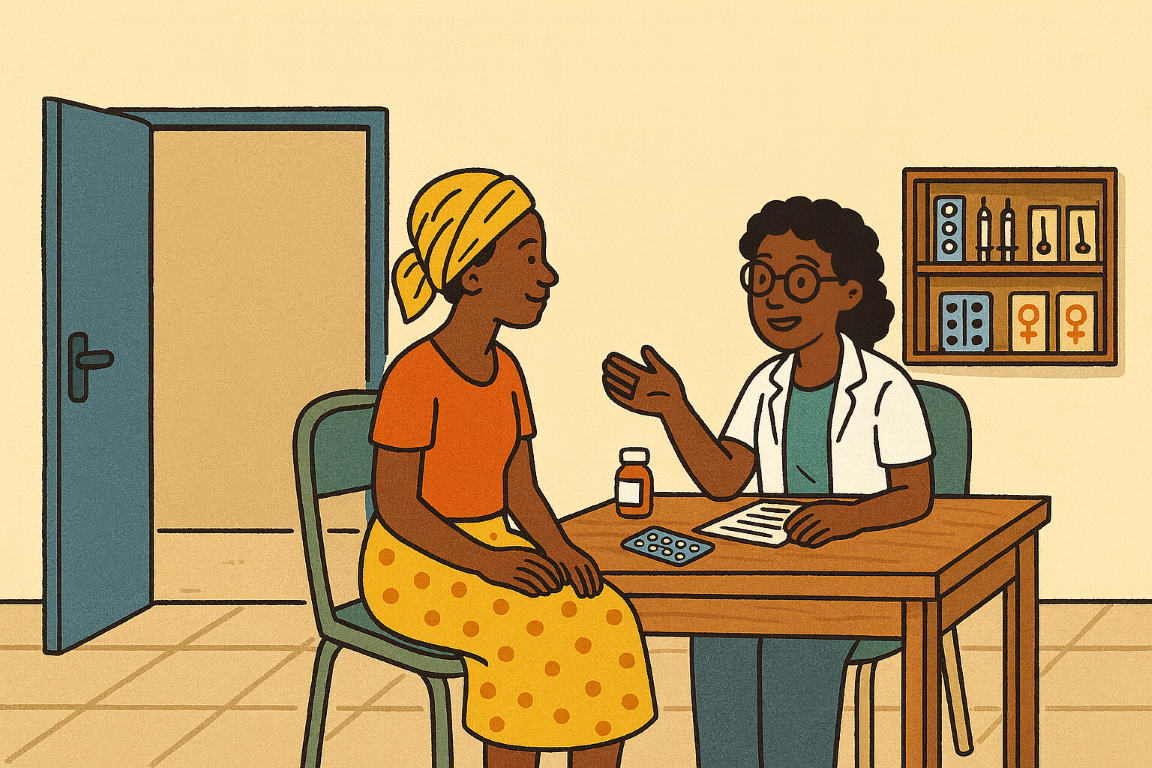
Why Conversations About Contraception Matter
Contraception is far more than a medical topic—it is deeply connected to autonomy, health, relationships, and the ability to shape one’s future. For young people, navigating information about contraception can feel overwhelming, especially in a world where messages about sex and relationships are often mixed, incomplete, or influenced by stigma.
Having open, informed, and supportive conversations about contraception is essential. These discussions allow young people to understand their options, ask questions without fear, and make decisions that align with their personal values, health needs, and life goals. When approached with care and respect, conversations about contraception can become empowering moments that build confidence and awareness.
Understanding Contraception: More Than Pregnancy Prevention
Contraception refers to methods used to prevent pregnancy and is sometimes called birth control. While its primary purpose is to reduce the likelihood of unintended pregnancy, its role extends beyond that. Contraception allows individuals to take control of their reproductive health and decide if and when they want to have children.
This sense of control is particularly important for young people who are still exploring their identities, education, and future plans. Access to accurate information about contraception supports informed decision-making and promotes a sense of responsibility and independence.
It is also important to clearly understand the limitations of contraception. While many methods are highly effective at preventing pregnancy, most do not protect against sexually transmitted infections. Condoms remain the only widely available option that offers protection against both pregnancy and infections, making them a crucial part of any conversation about safe sex.
The Complexity of Choice: Why It Can Feel Overwhelming
One of the biggest challenges young people face is the sheer number of contraceptive options available. Each method works differently, has varying levels of effectiveness, and may come with different side effects or requirements for use. Without proper guidance, this variety can create confusion rather than clarity.
Choosing contraception is not a one-size-fits-all decision. What works well for one person may not suit another due to differences in lifestyle, health conditions, personal preferences, or comfort levels. This is why understanding the range of options—and having access to professional advice—is so important.
Encouraging young people to view this process as a journey rather than a one-time decision can help reduce pressure. It is normal to explore different methods before finding one that feels right.
Hormonal Contraception: How It Works and What to Consider
Hormonal contraception is one of the most commonly used categories of birth control. These methods work by releasing hormones into the body to prevent pregnancy, typically by stopping ovulation or altering the conditions needed for fertilization.
Options such as the contraceptive pill, the mini-pill, and the vaginal ring require consistent and correct use to be effective. For example, taking a pill at the same time every day is essential for maintaining its effectiveness. While these methods can be highly reliable, they also require responsibility and routine.
Hormonal contraception may offer additional benefits, such as regulating menstrual cycles or reducing symptoms like pain and heavy bleeding. However, it is also important to be aware of potential side effects, which can vary from person to person. Consulting a healthcare professional is key to understanding whether hormonal methods are suitable for an individual’s specific needs.
Long-Acting Reversible Contraception: Convenience and Effectiveness
Long-acting reversible contraception, often referred to as LARC, provides an alternative for those who prefer not to manage daily or frequent contraceptive routines. These methods include implants, intrauterine devices (IUDs), and injections, all of which offer extended protection against pregnancy without requiring constant attention.
What makes LARC particularly appealing is its reliability. Because these methods do not depend on daily action, they significantly reduce the chance of human error. Once in place, they can remain effective for months or even years, depending on the type.
Despite their convenience, these methods still require medical involvement for insertion or administration. Like hormonal methods, they do not protect against sexually transmitted infections, which reinforces the importance of combining them with condom use when necessary.
Barrier Methods: Protection Beyond Pregnancy
Barrier methods, especially condoms, play a unique and essential role in sexual health. Unlike other forms of contraception, condoms act as a physical barrier that prevents the exchange of bodily fluids during sexual activity.
This function makes them the only method that protects against both pregnancy and sexually transmitted infections. For young people, understanding this dual protection is critical. It highlights why condoms should be considered not just as an option, but as a fundamental component of safe sexual practices.
Both external and internal condoms are available, offering flexibility and choice. Their effectiveness depends largely on correct and consistent use, which underscores the importance of proper education.
Other Methods and Their Limitations
There are also non-hormonal and non-barrier methods, such as fertility awareness and withdrawal. These approaches rely heavily on timing, self-monitoring, and precision, making them less reliable than other options.
Fertility awareness requires a detailed understanding of the menstrual cycle and careful tracking of physical signs, while the withdrawal method depends on precise timing during intercourse. Although these methods may appeal to some individuals, they generally carry a higher risk of unintended pregnancy.
It is important that young people understand both the potential and the limitations of these methods so they can make fully informed decisions.
Emergency Contraception: A Critical Safety Net
Emergency contraception provides an important option when regular contraception has not been used or has failed. Often referred to as the “morning-after pill,” it can significantly reduce the risk of pregnancy if taken within a specific timeframe after unprotected sex.
Another form of emergency contraception is the copper IUD, which can be inserted within a few days and is highly effective. However, access to this method requires medical assistance.
Understanding emergency contraception is essential, but it should not be viewed as a regular method of birth control. Instead, it serves as a backup option in situations where other methods were not used or did not work as intended.
Choosing the Right Method: A Personal and Informed Decision
Selecting a contraceptive method involves considering multiple factors, including effectiveness, ease of use, potential side effects, cost, and personal lifestyle. For example, someone with a busy routine may struggle with daily pills, while another person may prefer a method that can be easily stopped or changed.
Health conditions also play a role in determining which methods are suitable. This is why consulting a healthcare provider is strongly recommended. A professional can provide personalized guidance and help weigh the benefits and risks of each option.
Encouraging young people to prepare questions and reflect on their preferences before seeking advice can make these conversations more productive and empowering.
Shared Responsibility: Rethinking Who Is Responsible
A common question in discussions about contraception is who holds responsibility. While the physical impact of pregnancy falls on one person, contraception should not be viewed as a burden carried alone.
In relationships, shared responsibility is essential. Open communication between partners about contraception choices fosters trust, respect, and mutual understanding. It reinforces the idea that sexual health is a collective responsibility, not an individual one.
Promoting this mindset helps create healthier relationships and reduces pressure on any single person to manage contraception alone.
Creating Safe and Inclusive Conversations
Talking about contraception requires sensitivity, openness, and respect. Young people may come from diverse cultural, religious, or personal backgrounds that influence how they view sexual health. Some may feel uncomfortable or even ashamed discussing these topics.
Creating a safe environment is crucial. This means listening without judgment, using clear and age-appropriate language, and ensuring that the conversation is guided by the young person’s needs and comfort level.
Inclusivity is equally important. Language should acknowledge and respect people of all gender identities and sexual orientations. Not all individuals will have the same experiences or needs, and conversations should reflect that diversity.
Active listening plays a key role in building trust. When young people feel heard and understood, they are more likely to ask questions and engage in meaningful discussions.

Empowerment Through Knowledge and Support
Contraception is not just about preventing pregnancy—it is about empowering young people to make informed, confident decisions about their bodies and their futures. With the right support, education, and access to resources, they can navigate this complex topic with clarity and confidence.
Conversations about contraception should never be avoided or rushed. They require patience, honesty, and a commitment to providing accurate information. By fostering open dialogue and encouraging informed choices, we help create a generation that is better equipped to take control of their health and well-being.
Ultimately, supporting young people in understanding contraception is an investment in their future—one that promotes responsibility, independence, and a deeper respect for themselves and others.