
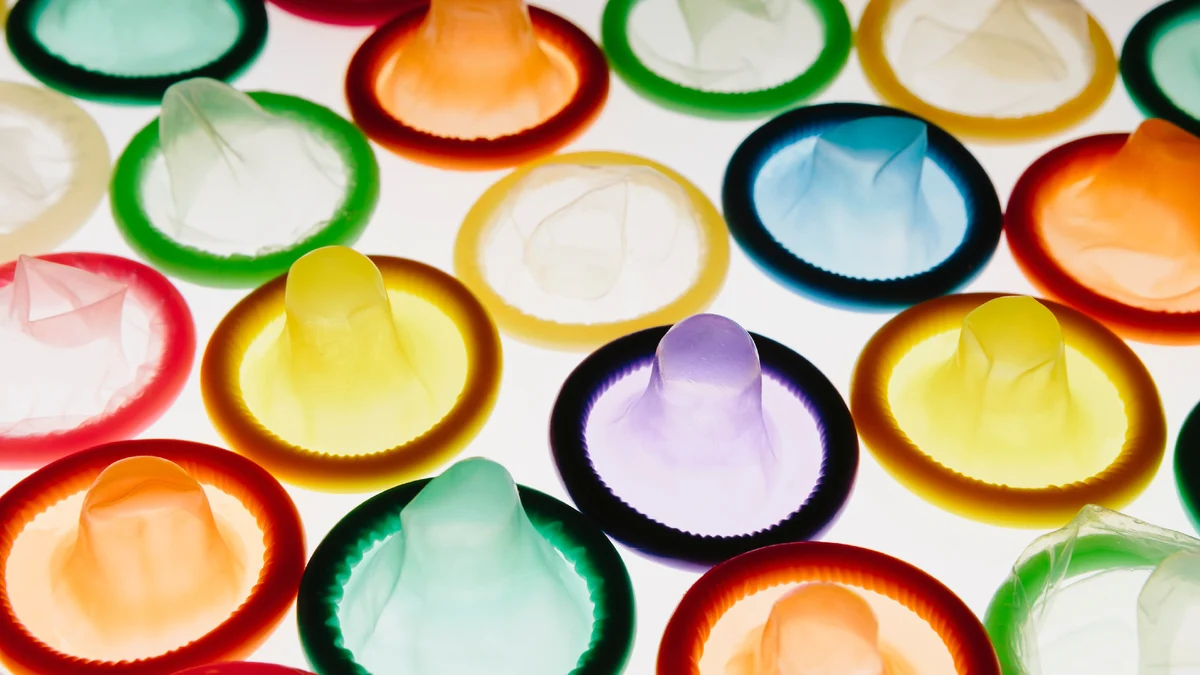
The Common Misconception About Free Products
In many areas of life, people instinctively associate price with quality. When something is offered for free, it often raises suspicion. This mindset leads many to question the reliability of free condoms, assuming they are somehow inferior to those purchased in stores. It is a reasonable concern at first glance, especially when it comes to something as important as sexual health. However, when we look closer at how condoms are regulated, manufactured, and distributed, this assumption quickly falls apart.
The truth is that free condoms are not only safe but also play a crucial role in public health efforts around the world. Understanding why they are free and how they are produced helps eliminate unnecessary fear and stigma.
Are Free Condoms the Same as Store-Bought Ones?
Free condoms are, in fact, the very same products you would find on store shelves. They are manufactured by the same companies, follow the same production standards, and undergo the same rigorous testing procedures. In countries like the United States, condoms must meet strict regulatory requirements before they can be distributed. Organizations such as the Food and Drug Administration (FDA) ensure that every condom—whether sold or given away—meets safety and effectiveness standards.
This means that the price tag, or lack of one, does not reflect the quality of the product. A free condom is just as capable of preventing pregnancy and protecting against sexually transmitted infections (STIs) as one purchased at full price, provided it is used correctly.
Why Are Condoms Given Away for Free?
The idea of free condoms might seem unusual at first, but the reasoning behind it is both practical and strategic. Governments, healthcare providers, non-profit organizations, schools, and community clinics often purchase condoms in bulk and distribute them at no cost. This is not because the condoms are cheap or defective, but because prevention is far more cost-effective than treatment.
Treating sexually transmitted infections can be expensive and time-consuming, both for individuals and healthcare systems. Similarly, addressing unplanned pregnancies can involve significant medical, emotional, and financial costs. By providing free condoms, these organizations aim to reduce these risks before they arise.
In essence, free condom programs are an investment in public health. They help reduce the spread of infections, lower healthcare costs, and support individuals in making safer choices.
The Role of Public Health and Community Well-Being
Free condom distribution is not just about individual protection—it is about the health of entire communities. When more people have access to protection, the overall rates of STIs and unintended pregnancies decrease. This creates a ripple effect, benefiting society as a whole.
Access is especially important for individuals who may not be able to afford or easily purchase condoms. Young people, students, and those in underserved communities often rely on free resources to maintain their sexual health. By removing financial and social barriers, free condom programs empower people to take control of their well-being without fear or limitation.
Are There Any Downsides to Free Condoms?
While free condoms are equal in quality, there can be some limitations in terms of variety. Retail stores typically offer a wide range of options, including different sizes, textures, materials, and additional features. Free distribution programs, on the other hand, often provide a more limited selection due to budget constraints and the need to supply large quantities.
For individuals with specific preferences—such as non-latex materials for allergies or particular sizes for comfort—it may be necessary to purchase condoms independently. However, for general use, free condoms are entirely suitable and effective.
Proper Usage and Storage: The Key to Effectiveness
Regardless of whether a condom is free or purchased, its effectiveness depends heavily on how it is used and stored. Condoms should be kept in a cool, dry place, away from direct sunlight and sharp objects that could cause damage. Exposure to heat, friction, or pressure—such as carrying them loosely in a wallet for long periods—can weaken the material.
It is also essential to check the expiration date before use. An expired condom may be less reliable, regardless of its original quality. Taking a moment to inspect the packaging and ensure proper use can make all the difference in effectiveness.
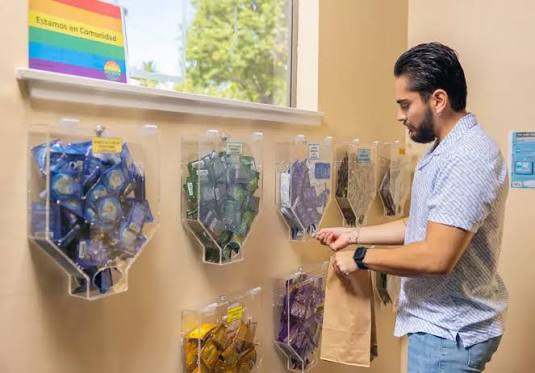
Breaking the Stigma Around Free Resources
There is often an unspoken stigma attached to using free health resources, including condoms. Some people feel embarrassed or assume that free products are meant only for certain groups. In reality, these programs exist for everyone and are designed to promote healthier communities.
Choosing to use a free condom is not a sign of compromise—it is a responsible decision. It reflects awareness, care, and a commitment to personal and public health.
Free Does Not Mean Inferior
The belief that free condoms are more likely to break or fail is a myth rooted in misunderstanding. In reality, they are held to the same standards as any other condom and provide the same level of protection when used correctly.
Free condom programs exist because prevention works. They reduce risks, save costs, and support healthier lives. Whether you choose to use free condoms or purchase your own, the most important thing is that you are using protection consistently and correctly.
At the end of the day, safety, knowledge, and responsibility matter far more than price. Free condoms are simply another tool—an accessible, reliable, and essential one—for maintaining sexual health.